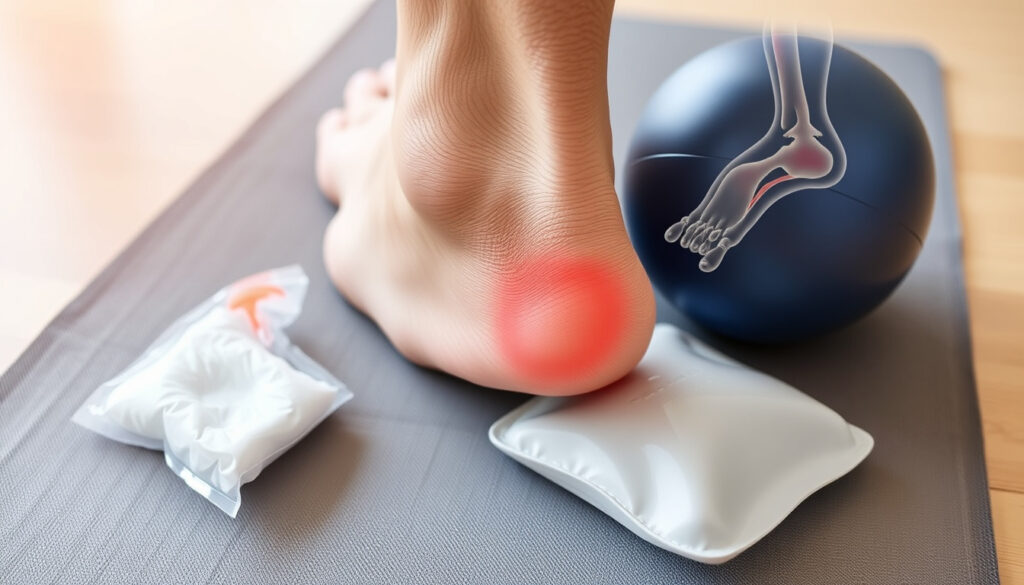
Plantar Fasciitis Treatment: Evidence-Based Relief Strategies
That first step out of bed in the morning – the sharp, stabbing heel pain that makes you wince. It’s the hallmark of plantar fasciitis, a condition that affects roughly one in ten people at some point. Whether you’re a runner, someone who spends all day on their feet, or just waking up to that familiar ache, this guide breaks down what actually works to quiet the pain and get you walking comfortably again.
People affected yearly: ~10% of the population (1 in 10) ·
Recovery with conservative care: 90% improve within 6–12 months ·
Most common cause: Overuse and repetitive strain
Quick snapshot
- Stretching the plantar fascia and calf muscles reduces pain and improves function (Mayo Clinic)
- Conservative treatment is effective for most people (WebMD)
- The exact role of foot pronation versus supination in causing plantar fasciitis remains debated
- Effectiveness of shockwave therapy varies; not all patients respond
- Vitamin D deficiency may increase risk (observational studies)
- Recovery timeframe: 6–12 months with conservative treatment; 90% improvement (WebMD)
- If symptoms persist beyond 6 months, consider physical therapy, night splints, or shockwave therapy (ChoosePT)
Key facts about plantar fasciitis at a glance.
| Fact | Detail |
|---|---|
| Prevalence | Affects ~10% of people at some point in their lives |
| Primary symptom | Stabbing heel pain, especially with the first steps in the morning |
| Diagnosis | Clinical history and physical exam; imaging rarely needed |
| Recovery timeframe | 6–12 months with conservative treatment; 90% improvement |
| Surgery rate | Less than 5% of cases require surgery |
What is the root cause of plantar fasciitis?
Understanding what’s happening inside your foot explains why specific treatments work. The plantar fascia – a thick band of tissue connecting your heel to your toes – becomes irritated from repetitive strain.
How does overuse contribute to plantar fasciitis?
- Repetitive loading from running, standing, or walking on hard surfaces creates microtears in the fascia (WebMD)
- Tight calf muscles and poor ankle mobility increase tension on the heel (Mayo Clinic)
What role does foot structure play?
- High arches or flat feet alter weight distribution, stressing the plantar fascia (ChoosePT)
- Obesity increases load on the foot, worsening the condition
Can vitamin deficiency cause plantar fasciitis?
- Observational studies have linked vitamin D deficiency to plantar fasciitis, though more research is needed
Overuse remains the dominant driver, but foot structure and vitamin D status can tip the scales. For most people, addressing mechanical strain through stretching and footwear yields the biggest payoff.
The implication: focusing on mechanical relief first is the most efficient path.
How to stop plantar fasciitis?
The good news: most cases resolve with simple, at-home steps. The key is to reduce inflammation while the fascia heals.
What are the first steps for treatment?
- Cut back on high-impact activities like running until pain subsides (WebMD)
- Apply ice for 15–20 minutes, three to four times a day (WebMD)
- Take over-the-counter NSAIDs (ibuprofen) for short-term pain relief
How effective is ice therapy?
- Icing reduces inflammation at the heel attachment. A common method: wrap a towel around a bag of crushed ice or frozen peas and place on the heel (WebMD)
- Rolling a frozen water bottle under the foot combines ice with massage (ChoosePT)
When should you consider medical interventions?
- If ice, rest, and stretching don’t improve symptoms after several weeks, consult a physical therapist (ChoosePT)
The pattern: early, consistent self-care prevents progression.
What is the best exercise for plantar fasciitis?
Stretching the plantar fascia and calf muscles directly reduces tension on the heel. Consistency matters more than intensity.
What is the towel stretch?
- Loop a towel around the ball of your foot and gently pull toward your body until you feel a stretch in the arch. Hold for 30 seconds, repeat twice (CLS Health)
How to perform calf stretches?
- Stand facing a wall, place one foot back with heel down and leg straight. Hold for 30 seconds, no bouncing (Mayo Clinic)
Why is the plantar fascia stretch recommended?
- Cross the affected foot over the opposite knee, pull toes back toward shin. Hold 30 seconds, two to three times daily (Mayo Clinic)
- Intrinsic foot strengthening: towel scrunches (10–15 reps, 2 sets per foot) (ChoosePT)
Gentle, controlled stretches heal; aggressive stretching during acute inflammation can cause microtears. If pain spikes, back off.
What this means: slow, deliberate movements win over forceful attempts.
How to walk with plantar fasciitis?
Managing daily movement is half the battle. Small changes in footwear and gait can dramatically reduce pain.
What type of shoes should I wear?
- Choose shoes with firm arch support and a cushioned heel – avoid flat shoes, flip-flops, and walking barefoot on hard surfaces (WebMD)
- Over-the-counter heel cups or arch supports can offload the fascia temporarily
How can I modify my gait?
- Shorten your stride and land more midfoot to reduce heel impact
Are orthotics or night splints helpful?
- Night splints keep the plantar fascia stretched during sleep, reducing morning pain (WebMD)
- Custom orthotics may help if over-the-counter supports don’t provide enough relief
The takeaway: prioritize simple, proven supports before moving to costly alternatives.
What’s the worst thing you can do for plantar fasciitis?
Certain habits can turn a manageable condition into a chronic one. Avoid these common mistakes.
Why is ignoring pain harmful?
- Continuing high-impact activities without rest prolongs inflammation and delays healing
How does improper footwear worsen the condition?
- Walking barefoot or in unsupportive shoes like flip-flops increases strain on the plantar fascia (WebMD)
What exercises should be avoided?
- Aggressive stretching or bouncing during acute inflammation can cause microtears (Mayo Clinic)
The biggest setback? Pushing through pain. Rest is not weakness – it’s the fastest path to recovery.
The catch: listening to your body is essential to avoid chronic setbacks.
Confirmed facts
- Stretching the plantar fascia and calf muscles reduces pain and improves function (Mayo Clinic)
- Conservative treatment is effective for most people (WebMD)
What’s unclear
- Whether custom orthotics are superior to over‑the‑counter supports
- Effectiveness of shockwave therapy varies; not all patients respond
- Vitamin D deficiency may increase risk (observational studies)
Step-by-Step Treatment Plan
- Reduce activity – Avoid running and prolonged standing for 1–2 weeks (WebMD)
- Ice the heel – 15–20 minutes, 3–4 times daily. Use a frozen water bottle as a roller (ChoosePT)
- Stretch twice daily – Plantar fascia stretch (30 sec) and calf stretch (30 sec) (Mayo Clinic)
- Strengthen foot muscles – Towel scrunches (10–15 reps, 2 sets per foot) (ChoosePT)
- Wear supportive shoes – Cushioned heel, firm arch support. Avoid flats and barefoot walking (WebMD)
- Use night splints – If morning pain persists, splints keep fascia stretched during sleep (WebMD)
Follow this sequence daily; Tensor Fasciae Latae: Pain, Healing Time, and Self-Care explores another common musculoskeletal issue.
“Most people who have plantar fasciitis recover in several months with conservative treatment, such as icing the painful area, stretching, and modifying activities.”
“Plantar fasciitis is caused when you overuse or put too much stress on your feet.”
WebMD
For anyone waking up to that familiar heel pain, the path forward doesn’t have to involve a long wait or expensive gadgets. The evidence is consistent: rest, targeted stretching, supportive footwear, and patience resolve the vast majority of cases. For the person in their 40s who loves a morning jog, the trade-off is clear – a few weeks of modified activity now beats months of worsening pain later. The same goes for the retail worker standing all day: investing in proper shoes and a simple heel-cord stretch routine can keep you on your feet pain-free. Pilates Grip Socks Guide offers additional footwear insights for active lifestyles.
gothamfootcare.com, hcahoustonhealthcare.com, medicalnewstoday.com, youtube.com
Understanding the specific symptoms and underlying causes of plantar fasciitis can help tailor the treatment plan for more effective relief.
Frequently asked questions
Can plantar fasciitis go away on its own?
Yes, many mild cases resolve within a year with home care, but stretching and activity modification speed recovery. (WebMD)
Is walking good for plantar fasciitis?
Walking in supportive shoes is fine, but avoid hard surfaces and walking barefoot until pain subsides. (WebMD)
Do orthotics help plantar fasciitis?
Over-the-counter arch supports often help; custom orthotics are reserved for refractory cases. (ChoosePT)
How long does it take to recover from plantar fasciitis?
Most people improve within 6–12 months of conservative treatment; about 90% recover without surgery. (WebMD)
What kind of doctor treats plantar fasciitis?
A podiatrist, orthopedic specialist, or physical therapist can diagnose and treat plantar fasciitis.
Does massage help plantar fasciitis?
Gentle rolling of the foot with a frozen water bottle or tennis ball can reduce tension, but avoid deep pressure on the acute spot. (ChoosePT)
Can I run with plantar fasciitis?
It’s best to stop running until pain resolves; switch to low-impact activities like swimming or cycling.
Are there any home remedies that work quickly?
Ice massage, the plantar fascia stretch, and arch-supporting footwear provide the fastest relief. (Mayo Clinic)
More related posts
 Why Rampage Jackson Quit the UFC: Career, Stats & Net Worth
 Chemist Warehouse Emerald Hills, Leppington NSW: Hours & Phone
 Tim Minchin: Biography, Musicals, Wife, and Career
 Brett Tucker: Biography, Career, and Current Projects (2024)
 Miss Moni: Biography, Age, Nationality & Toddler Learning Videos
 Eija Skarsgård: Biography, Career, and Family Facts
 Chase Infiniti: Real Name, Age, Ethnicity, and Career
 How to Make Overnight Chia: Step-by-Step Recipe & Health Benefits