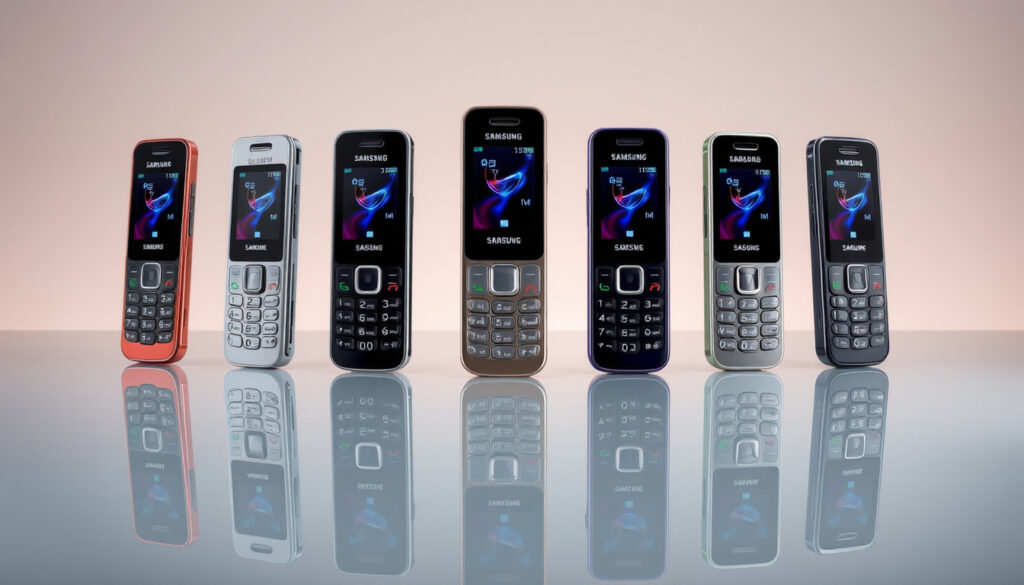
Samsung Flip Phone – Lineup Specs Prices Guide
Samsung’s Galaxy Z Flip series has redefined what a modern flip phone can be, transforming the nostalgic clamshell form factor into a powerful foldable smartphone that fits comfortably in your pocket. The latest addition to this lineage, the Galaxy Z Flip6, arrived in July 2024 as Samsung’s flagship clamshell foldable, bringing substantial upgrades in processing power, camera quality, and battery life to discerning consumers.
Unlike the traditional flip phones of the early 2000s that relied on physical keypads and limited functionality, Samsung’s contemporary flip phones combine flexible display technology with artificial intelligence features and premium build quality. The line has evolved significantly since its inception in 2020, addressing early concerns about durability while continuously improving the user experience through each generation.
This comprehensive guide examines the current Samsung flip phone lineup, detailing specifications, pricing, features, and how these devices stack up against competitors in the increasingly competitive foldable smartphone market.
What Is the Latest Samsung Flip Phone?
The Galaxy Z Flip6 represents Samsung’s most advanced clamshell foldable to date, launched at Galaxy Unpacked in Paris on July 10, 2024. This device succeeds the Z Flip5 and introduces meaningful improvements across several key areas, including a significantly upgraded main camera, increased RAM, and a larger battery capacity. Samsung has since discontinued the Z Flip6 in the United States market, directing consumers toward the Flip7 as the recommended current-generation option.
Galaxy Z Flip6 Overview
While the Galaxy Z Flip6 has been officially discontinued by Samsung in the US, carriers such as T-Mobile continue to offer remaining inventory in both 256GB and 512GB storage configurations. Prospective buyers should check with local retailers for availability and potential trade-in programs.
Key Specs Snapshot
- Samsung dominates the Android foldable smartphone market with its Galaxy Z series
- The compact design appeals to users seeking pocketability without sacrificing functionality
- Galaxy AI features including live translation and suggested replies set this generation apart
- The squared-off frame and color-matched camera rings represent subtle but notable design refinements
- Vapor chamber cooling enables sustained performance during demanding tasks
- IP48 dust and water resistance marks a meaningful upgrade from previous generations
| Specification | Galaxy Z Flip6 |
|---|---|
| Display Size (Internal) | 6.7-inch Dynamic AMOLED 2X |
| Cover Display | 3.4-inch Super AMOLED |
| Battery Capacity | 4,000mAh |
| Main Camera | 50MP |
| Price Range | $1,099 – $1,219 |
| Release Year | 2024 |
| Processor | Snapdragon 8 Gen 3 for Galaxy |
| RAM | 12GB LPDDR5X |
How Much Does the Samsung Galaxy Z Flip Cost?
The Galaxy Z Flip6 launched with a starting price of $1,099 for the 256GB configuration, representing a $100 increase over the Z Flip5’s debut price of $999. This price elevation reflects key hardware improvements, particularly the jump from 8GB to 12GB of RAM. The 512GB variant carries an approximate $120 premium, positioning the device firmly in the premium smartphone segment.
Pricing Tiers
Regional pricing varies considerably beyond the base US figures. The United Kingdom launch price stood at £1,049, while Australian consumers faced approximately AU$1,799. These variations account for regional market conditions, import costs, and currency fluctuations, meaning the effective value proposition differs significantly depending on geographic location.
Those interested in the Garmin Instinct 2 Review may appreciate similar premium positioning in Samsung’s smartwatch offerings, demonstrating the company’s broader strategy across device categories.
Deals and Carriers
Major carriers including T-Mobile continue to offer the Galaxy Z Flip6 through installment plans and lease arrangements, making the premium pricing more accessible through monthly payments. Trade-in programs from Samsung and wireless providers can substantially reduce the upfront cost, with eligible devices sometimes qualifying for several hundred dollars in credit toward a new purchase.
Since Samsung has discontinued the Z Flip6, remaining inventory may be available at reduced prices through liquidation channels and carrier clearance sales. However, availability remains inconsistent, and prospective buyers should act promptly if seeking new units rather than waiting for successor models.
What Are the Key Features of Samsung Flip Phones?
Samsung’s flip phone lineup distinguishes itself through the innovative use of flexible display technology combined with practical software features designed specifically for the foldable form factor. The Galaxy Z Flip6 exemplifies this approach, offering capabilities that would be impossible on traditional slab-style smartphones while maintaining the nostalgic appeal of the clamshell design.
Display and Design
The internal display measures 6.7 inches diagonally with a resolution of 2640 by 1080 pixels, supporting an adaptive refresh rate between 1Hz and 120Hz for smooth scrolling and power efficiency. The outer cover display spans 3.4 inches at 720 by 748 pixels and operates at 60Hz, but Samsung has enhanced its functionality significantly through the FlexWindow feature, which enables users to view and respond to messages, access widgets, and preview photos without opening the device.
Screen brightness reaches approximately 750 nits manually, with automatic adjustments pushing output to around 1,500 nits in bright conditions. This improvement helps maintain visibility in outdoor environments and mitigates the visual impact of the screen crease that remains a characteristic of foldable displays.
Camera and Performance
The camera system received the most significant upgrade in the Z Flip6 lineup, with the main sensor jumping from 12 megapixels to 50 megapixels. This substantial increase delivers considerably more detail and improved low-light performance. The ultrawide camera maintains its 12-megapixel resolution at f/2.2, while the front-facing camera for video calls and selfies offers 10 megapixels.
The FlexCam feature enables hands-free photography using the cover screen as a viewfinder, with Auto Zoom automatically framing subjects intelligently. This functionality proves particularly useful for group photos and creative angles that would be challenging with conventional smartphone placement.
Processing power comes from the Qualcomm Snapdragon 8 Gen 3 for Galaxy chipset, coupled with 12GB of LPDDR5X RAM. This combination delivers flagship-level performance suitable for demanding applications, gaming, and multitasking. The vapor chamber cooling system helps maintain thermal efficiency during extended use, preventing throttling that could degrade performance over time.
Battery and Durability
Battery capacity increased to 4,000mAh from the Z Flip5’s 3,700mAh, translating to measurably improved endurance. Independent testing documented approximately 11 hours and 1 minute of continuous use, representing roughly an hour’s improvement over the predecessor’s 9 hours and 53 minutes. Charging options include 25W wired, 15W wireless, and 4.5W reverse wireless charging for compatible accessories.
The Z Flip6 achieved an IP48 rating for dust and water resistance, representing an improvement over previous generations that lacked official dust protection. The squared-off frame and color-matched camera rings contribute to a refined aesthetic, while the hinge mechanism has demonstrated improved durability in 2024 reviews compared to early Z Flip models. Users considering premium devices might also explore the iPhone 17 Pro Max To Buy guide for competitive options in the broader smartphone market.
While Samsung has improved hinge durability significantly, foldable devices generally require more careful handling than traditional slab smartphones. The visible screen crease remains an inherent characteristic of flexible display technology, and users should consider protective measures appropriate for their usage patterns and environment.
Is the Samsung Z Flip Worth Buying?
The Galaxy Z Flip6 delivers meaningful improvements over its predecessor in the areas that matter most to consumers: camera quality, processing power, and battery life. Reviews have praised the device for becoming more competitive with traditional flagship smartphones in these critical categories while maintaining the unique advantages of the foldable form factor.
Pros and Cons
Strengths include the substantial camera upgrade to 50 megapixels, the efficient Snapdragon 8 Gen 3 processor paired with generous 12GB RAM, and the improved battery that extends life by approximately an hour compared to the Z Flip5. The Galaxy AI features, including suggested replies on the cover screen and live translation through Interpreter mode, add genuine utility that enhances the overall experience.
However, several trade-offs merit consideration. The price increase to $1,099 represents a meaningful premium over the previous generation’s launch price. The cover display size remains unchanged at 3.4 inches, frustrating users hoping for expanded functionality through a larger external screen. Design evolution between generations remains subtle, potentially reducing the appeal of upgrading for existing Z Flip5 owners.
User Ratings
Aggregate reviews indicate positive sentiment regarding the device’s overall value proposition, with particular appreciation for the battery improvements and camera capabilities. The build quality and screen brightness have received consistent praise, while concerns about pricing and the conservative design approach constitute the primary criticisms from both professional reviewers and everyday users.
How Does the Samsung Flip Phone Compare to Competitors?
The foldable smartphone market has matured considerably, with Motorola’s Razr lineup representing the most direct competition to Samsung’s clamshell offerings. Understanding the relative strengths and weaknesses of each option helps consumers make informed decisions based on their priorities and preferences.
Vs. Motorola Razr
The Motorola Razr+ and standard Razr variants typically launch at lower price points than Samsung’s equivalent models, with some configurations starting around $700. Motorola has distinguished itself through larger cover displays on certain models, measuring approximately 4 inches on the Razr+, providing more usable screen real estate for one-handed operation without opening the device.
Samsung counters with superior software support through its Galaxy AI features, more comprehensive ecosystem integration, and consistently strong camera performance. The Z Flip6’s vapor chamber cooling also provides thermal advantages during extended demanding tasks, while the IP48 dust resistance surpasses Motorola’s specifications in this specific regard.
| Feature | Galaxy Z Flip6 | Motorola Razr+ |
|---|---|---|
| Starting Price | $1,099 | Approximately $700 |
| Processor | Snapdragon 8 Gen 3 | Snapdragon 8s Gen 3 |
| RAM | 12GB | 12GB |
| Battery Capacity | 4,000mAh | Approximately 4,000mAh |
| Main Camera | 50MP | 50MP |
| Cover Display | 3.4-inch | Approximately 4-inch |
| Water Resistance | IP48 | IPX8 |
Vs. Other Foldables
Beyond Motorola, several manufacturers have introduced competing foldable devices, though Samsung maintains the strongest market position in the Android ecosystem. The choice between options often depends on ecosystem preferences, with users already invested in Samsung’s ecosystem finding the Z Flip6’s integration advantages compelling, while those seeking the largest possible external display may lean toward alternatives.
For users prioritizing raw specifications and the latest processor technology, Samsung’s implementation of the Snapdragon 8 Gen 3 provides a slight edge. The camera system, while not dramatically exceeding competitors, delivers reliable results across various lighting conditions that satisfy most users’ expectations for a premium device.
The Evolution of Samsung’s Clamshell Foldables
Samsung’s journey in the foldable smartphone space began with the book-style Galaxy Fold in 2019, but the clamshell format that defines the current Z Flip series truly launched in 2020 with the original Galaxy Z Flip. This inaugural clamshell introduced the core concept of a vertically folding device that transforms from a compact square into a full-height smartphone, establishing the design language that subsequent generations would refine and improve.
- 2019: Samsung released the Galaxy Fold, a book-style foldable that demonstrated the potential of flexible display technology while revealing early durability challenges.
- 2020: The first Galaxy Z Flip launched with 12-megapixel cameras and a 3,300mAh battery, establishing the clamshell form factor that would become the company’s signature foldable design.
- 2021: The Z Flip 3 introduced mass-market pricing and IPX8 water resistance, significantly broadening appeal and accessibility for foldable smartphones.
- 2022: The Z Flip 4 maintained the 4,000mAh battery introduced in the previous generation while upgrading to the Snapdragon 8+ Gen 1 processor for improved efficiency.
- 2023: The Z Flip 5 introduced the 3.4-inch cover display, enabling meaningful functionality without opening the device and transforming the practical utility of the clamshell design.
- 2024: The Galaxy Z Flip6 arrived with a 50-megapixel main camera, 12GB RAM, Galaxy AI features, and IP48 dust resistance, representing the most comprehensive upgrade cycle to date.
Traditional flip phones, exemplified by devices like the Motorola Razr V3 that dominated the early 2000s, pioneered the clamshell form factor but relied on physical keypads and limited functionality. Samsung’s modern interpretation resurrects the nostalgic design while leveraging flexible display technology to deliver capabilities that would have seemed fantastical to users of those earlier devices.
Known Facts and Areas of Uncertainty
When evaluating the Galaxy Z Flip6 and Samsung’s broader flip phone strategy, distinguishing between confirmed information and areas requiring further observation helps establish realistic expectations for prospective buyers.
Established Information
- The Galaxy Z Flip6 features a Snapdragon 8 Gen 3 processor with 12GB of RAM
- The main camera offers 50 megapixels, up from 12MP in the Z Flip5
- Battery capacity measures 4,000mAh with approximately 11 hours of tested life
- The device achieved IP48 dust and water resistance ratings
- Samsung has discontinued the Z Flip6 in the US market, promoting the Flip7 as successor
- The starting price was $1,099 for the 256GB variant
Areas Requiring Further Observation
- Long-term crease visibility and display durability beyond initial usage periods
- Real-world battery degradation patterns over extended ownership
- Specific launch timeline and pricing for the Galaxy Z Flip7
- Hinge longevity data from large-scale user populations over multiple years
- Repair costs and parts availability for out-of-warranty service
- Long-term software update commitment for second-hand market implications
Market Position and Industry Context
Samsung maintains a commanding position in the Android foldable smartphone segment, leveraging years of manufacturing experience and established supply chain relationships that competitors find challenging to match. The company’s investment in foldable technology predates most market alternatives, translating into refined production processes and accumulated engineering expertise that manifests in improved device quality with each generation.
The broader smartphone industry has witnessed renewed interest in foldable form factors following initial consumer hesitation about durability and pricing concerns. As technology has matured and prices have stabilized, more consumers consider foldables as viable alternatives to traditional slab smartphones, particularly those who value the compact pocketability that the clamshell design enables.
Samsung’s ecosystem integration across Galaxy devices, including tablets, wearables, and computing products, creates compelling reasons for existing customers to remain within the brand rather than exploring alternatives. The Galaxy AI features introduced in recent generations further strengthen this ecosystem lock-in by providing functionality that extends beyond the smartphone itself.
Buying Considerations for Prospective Customers
Those evaluating the Galaxy Z Flip6 or Samsung’s broader flip phone offerings should weigh several factors against their specific circumstances and priorities. The device appeals most strongly to users seeking the combination of cutting-edge technology with the nostalgic appeal of a clamshell design, particularly those already invested in Samsung’s ecosystem who can leverage cross-device features and consistent user experience across their technology stack.
The Z Flip6 suits compact power users who prioritize pocketability without accepting compromises in performance or feature set. The 512GB storage option provides adequate space for media collectors and those who rely on local storage for extensive photo libraries and offline content. The Galaxy AI features, including suggested replies and live translation capabilities, deliver practical daily utility that justifies the premium positioning.
However, consumers should carefully consider the inherent trade-offs of foldable technology, including the visible screen crease, the additional care required for optimal longevity, and the premium pricing compared to traditional flagship smartphones with comparable specifications. Trade-in programs and carrier installment options can make the cost more manageable, while testing the hinge mechanism in retail environments helps establish comfort with the device’s mechanical components.
Frequently Asked Questions
What is the difference between Galaxy Z Flip and Galaxy Z Fold?
The Z Flip utilizes a vertical folding mechanism in a clamshell configuration, resulting in a compact device when folded. The Z Fold features a horizontal fold in a book-style design that opens to reveal a larger tablet-like display. The Flip prioritizes pocketability, while the Fold maximizes screen real estate for productivity and media consumption.
How durable is the Samsung flip phone screen?
The Galaxy Z Flip6 features an IP48 dust and water resistance rating, representing improved protection over previous generations. The flexible display incorporates protective layers, though the inherent crease remains visible. Samsung’s engineering improvements have enhanced hinge durability, but foldables generally require more careful handling than traditional smartphones.
Does the Samsung Z Flip support 5G connectivity?
Yes, the Galaxy Z Flip6 supports 5G networks across major frequency bands, enabling high-speed connectivity where coverage is available. The device’s 5G capabilities vary by carrier and regional network configurations.
Can you use the Samsung flip phone with one hand?
The compact folded dimensions enable easier one-handed storage and retrieval compared to traditional large smartphones. The FlexWindow cover display allows various interactions without opening the device, though fully unfolding requires two hands for optimal safety and control.
Does Samsung still make traditional flip phones without foldable screens?
Samsung’s current flip phone lineup exclusively features the Galaxy Z series with foldable OLED displays. Traditional button-based flip phones have been discontinued across most markets, though older inventory may occasionally appear through third-party sellers.
What generations of Galaxy Z Flip are currently available?
Samsung has discontinued the Z Flip6 in the US market, with the Z Flip7 serving as the recommended current option. Remaining Z Flip5 and Z Flip6 inventory may be available through carriers and retailers while supplies last.
How does the camera quality compare between Z Flip generations?
The Z Flip6’s 50-megapixel main camera represents the most significant resolution increase in the series history, jumping from 12 megapixels in the Z Flip5. This upgrade delivers substantially improved detail, better low-light performance, and more flexibility for cropping and editing.
More related posts
 Kpop Demon Hunters Saja Boys – Profile, Members, Music Facts
 Heather O’Rourke: Death, Illness, and Poltergeist Myth
 Words That Rhyme: Complete Guide with Lists and Examples
 Teyana Taylor’s Vocal Cord Surgery and Divorce Payment
 Role Models (2008) Movie – Is It Good? Age Rating & Parent Guide
 Megan Gale: Biography, Age, Children, Husband & What She Does Now
 Craig Lowndes 2026: Racing, Separation & Personal Life