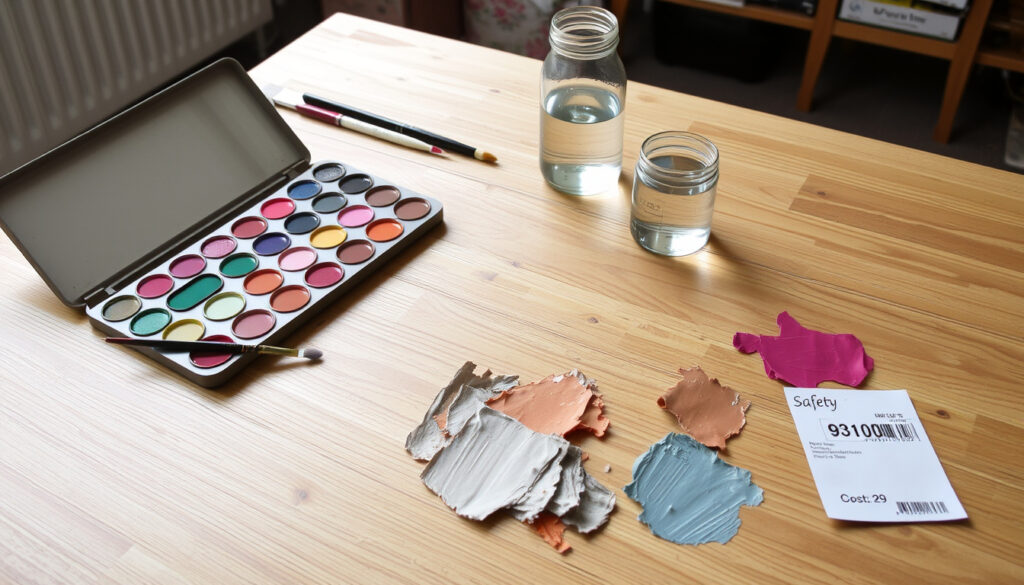
Face Painting Guide: Safe Paint, Costs & Tips
Face paint isn’t acrylic paint – using the wrong type can harm skin. This guide separates fact from common mistakes to tell you what to use, when to start, and what it’ll cost.
Average price per hour: $50–$100 ·
Common paint type: Water‑based ·
Age minimum: 3 years ·
Typical duration on skin: 4–8 hours
Quick snapshot
- Only cosmetic‑grade water‑based paints are safe (FDA – U.S. cosmetics regulator)
- Children under 3 should not be face painted (WA Health – Australian public health authority)
- Acrylic paint is not safe for skin (FDA)
- Exact cost varies significantly by location and event type
- Long‑term effects of repeated face painting on children are not well studied
- Not all professional painters follow the same hygiene standards
- No major announced changes to regulations; current guidelines remain in effect
- Continued emphasis on EU/FDA‑compliant products and hygiene training
- Growing demand for booking face painters online – plan early
Five key figures paint the picture of face painting today.
| Metric | Value |
|---|---|
| Average hourly rate | $50–$100 |
| Age minimum recommended | 3 years |
| Common paint base | Water |
| Duration on skin | 4–8 hours |
| Top brand cited | Snazaroo |
| FDA recommends patch test | Yes – test on arm for 2 days before use |
| Acrylic paint allowed? | No – not safe for skin |
| WA Health under‑3 ban | Yes – “should not be face painted” |
What kind of paint to use for face painting?
Choosing the wrong paint isn’t just a mess – it can harm skin. Here’s how to pick the right one.
Types of face paint
- Water‑based face paints are the most common and beginner‑friendly. They are cosmetic‑grade, easy to apply, and wash off with soap and water.
- Cream‑based paints are oil‑based and offer more opacity, but they are harder to remove and often contain heavier ingredients. They are still safe if formulated for skin.
- Acrylic paint is not designed for skin. The FDA warns that “novelty makeup” not intended for skin can cause irritation, rashes, or worse.
Water‑based vs. cream‑based
Water‑based paints dry quickly, are sheer, and come off easily. Cream‑based paints last longer but require special removers. For kids and beginners, water‑based is the safer, more practical choice.
Avoiding acrylic paints
A common myth is that any paint can go on the face. “Acrylic is not face paint,” says the FDA, and using it can lead to skin reactions. Always check the label for “cosmetic‑grade” or “FDA‑compliant.”
How can I paint my face?
Face painting at home is doable with the right tools and hygiene. The Face Painting Association’s code of practice sets a high bar for cleanliness (The Face Painting Association – industry standards body).
Basic steps for face painting
- Clean the skin with soap and warm water or a disposable wipe (WA Health – Australian public health authority).
- Apply a base colour using a sponge – one clean sponge per person.
- Add details with a fine brush, working from the centre outwards.
- Let each layer dry before adding the next to prevent smudging.
- Remove with gentle soap and water at the end of the day.
Tools needed
- Sponges (one per person)
- Fine detail brushes
- Disposable water cups – change after each client (WA Health)
- Paper towels or wipes
- Stencils (optional)
Common mistakes to avoid
- Using acrylic or craft paint – it clogs pores and can cause dermatitis.
- Skipping a patch test – test on the arm for 2 days beforehand.
- Reusing water – bacteria grow fast; change water after each person (The Face Painting Association).
- Painting over cuts, cold sores, or chicken pox – WA Health advises skipping infested or contagious skin.
Hygiene is the invisible ingredient. One dirty sponge or shared water cup can turn a fun activity into a health hazard. Always treat each face as a fresh canvas.
Why can’t you face paint under 3?
This isn’t a random rule – it’s based on physiology. Here’s why age limits exist.
Why face painting is not recommended for children under 3
WA Health (Western Australia’s government health department) states plainly: “A child under 3 should not be face painted” (WA Health – Face and body painting). The reasons: their skin is thinner and more permeable, they often put hands in their mouths (ingesting paint), and they have higher skin‑surface‑to‑body‑weight ratios, making them more vulnerable to irritants.
Is face paint safe for kids?
Yes, for ages 3 and up – provided the paint is cosmetic‑grade and hypoallergenic. The Face Painting Association echoes the 3+ rule: “It is recommended that children under 3 years old are not painted on the face” (The Face Painting Association – Code of Practice).
Can a 2‑year‑old have their face painted?
Most professional face painters and health authorities say no. Even “hypoallergenic” paint contains pigments that can trigger reactions in very young skin. The safer alternative: paint their arm or let them hold a painted face on a stick.
Hypoallergenic labels are not a free pass for babies. Toddlers’ skin is simply more absorbent and reactive. Stick to the 3‑year minimum – it’s backed by official health guidance.
What is the average price for a face painter?
Costs vary, but a few numbers give a realistic picture.
Average cost for a face painter
- National average (US): around $269 per event, with a range of $208–$348 (Thumbtack – home services marketplace).
- Hourly rate: $75–$200 per hour for private parties (Fash – cost comparison platform).
- Festival rates: $5–$25 per person (Fash).
- In metropolitan areas like Chicago, rates range $95–$250 per hour (Best Chicago Face Painting – regional pricing guide).
Factors affecting price
- Location – urban areas command higher rates.
- Experience – a trained, insured professional costs more.
- Design complexity – full‑face characters take longer than simple flowers.
- Events – weddings and corporate events may include travel and setup fees.
How to find a face painter near you
Check portfolios, ask about insurance and hygiene practices, and read recent reviews. The Westminster Council environmental health guidance recommends verifying public liability insurance and association membership (Westminster Council – UK environmental health guidance).
How long does face painting usually last?
Face paint is temporary, but with care it can last through a party.
How long does face paint last on the skin?
Most water‑based face paints last 4–8 hours on clean, dry skin. Sweat, oil, and humidity shorten wear. Cream‑based paints can last longer (8–12 hours) but are harder to remove. The Face Painting School notes that professional application and setting powder can extend the life (Face Painting School – professional training resource).
Tips to extend wear
- Apply on clean, oil‑free skin.
- Use a light dusting of translucent setting powder after painting.
- Avoid touching the face.
- Keep children cool – heat and sweat break down the paint.
The trade‑off: longer‑wear paints are often harder to remove and may contain more binders. For a single‑day event, 4–8 hours is usually plenty.
Three paint categories, one clear recommendation for skin safety.
| Attribute | Water‑based (cosmetic) | Cream‑based (cosmetic) | Acrylic (not for skin) |
|---|---|---|---|
| Safety | FDA/EU compliant | FDA/EU compliant | Not safe – can cause dermatitis |
| Ingredients | Water, glycerin, pigment | Oils, waxes, pigment | Acrylic polymer, solvents |
| Application | Easy – sponge or brush | Moderate – requires blending | Thick, dries quickly |
| Removal | Soap and water | Oil‑based remover | Peeling or harsh solvents |
| Duration | 4–8 hours | 8–12 hours | Permanent until peeled |
| Best for | Kids, beginners, festivals | Professionals, full‑face art | Never on skin |
| Cost per bottle | $5–$15 | $10–$25 | $3–$10 |
| Hygiene notes | Easy to sanitise brushes | Brushes need deep cleaning | Not applicable |
The pattern: water‑based paints offer the best balance of safety, ease, and affordability for most users. Cream‑based is a professional option, but acrylic should never touch skin.
What the authorities and professionals say
“A child under 3 should not be face painted.”
— WA Health, Western Australian Government health department
“Test a new face paint on the arm for a couple of days before using it on the face to check for allergic reaction.”
— FDA, U.S. Food and Drug Administration cosmetics guidance
“It is recommended that children under 3 years old are not painted on the face.”
— The Face Painting Association, industry code of practice
For parents in the US or UK planning a child’s party, the choice is clear: book a professional who uses water‑based cosmetic paints and follows hygiene guidelines, or if you paint at home, invest in certified products and throw away sponges after one use. The alternative – cheap acrylic paints or ignoring the 3‑year age rule – risks skin reactions and waste of money.
jestpaint.com, nacams.org, facepaintingschool.com, facepaint.com
For those just starting out, our face painting for beginners guide covers essential tips and pricing to help you get started safely.
Frequently asked questions
What is the difference between water‑based and oil‑based face paints?
Water‑based paints are easier to apply and remove, while oil‑based (cream) paints last longer but need special removers. Water‑based is safer for children.
Can face paint cause allergic reactions?
Yes, some people react to pigments or preservatives. The FDA recommends a patch test on the arm before using a new product on the face.
How do I remove face paint safely?
Use gentle soap and warm water. For cream‑based paints, use a dedicated makeup remover or baby oil. Never scrub or use acrylic removers.
What is the best face paint for beginners?
Water‑based cosmetic paints from brands like Snazaroo, TAG, or Mehron are recommended. They are easy to blend and wash off.
Do face painters charge per person or per hour?
Most charge per hour for private parties ($75–$200) or per person for festivals ($5–$25). Always confirm the pricing model before booking.
Is it possible to face paint on adults?
Yes, face painting works on adults too, though some may have oilier skin that shortens wear. The same safety rules apply.
Can I use food coloring for face painting?
No. Food coloring is not tested for skin contact and can stain or irritate. Only use cosmetic‑grade face paints.
Related reading
- Barber Shop Prices, Tipping & Rules in Ireland (2025) – similar pricing and service guide
- Eau de Toilette vs Perfume: What’s the Difference – adjacent beauty topic
More related posts
 Griselda Blanco: Verified Biography and Key Facts
 Shannon Neale: Biography, Suspension & Nickname
 Census Australia 2016 – Key Results and Data Access
 Country Trucker Caps: Owner, Origin & Styling Guide
 Jesse Arthars: Broncos Exit, Catalans Move & Career Profile
 Niamh Algar: Biography, Movies, Awards, and Personal Life
 Microwave Oven Buying Guide 2024: Best Brands, Wattage & Cost
 Plantar Fasciitis Treatment: Evidence-Based Relief Strategies