Best Home Internet Plans Ireland 2026: Compare Costs & Providers
Choosing a home internet plan in Ireland in 2026 can feel like picking a favourite child — each provider has a compelling story, but only one fits your daily life. Between Vodafone, Virgin Media, Eir, Sky, and Three, the differences in speed, price, and contract terms can make or break your monthly budget.
Average monthly cost: €35–€65 ·
Fastest available speed: 1 Gbps ·
Major providers: Vodafone, Virgin Media, Eir, Sky, Three ·
Typical contract length: 12 months
Quick snapshot
- Ireland’s telecoms regulator ComReg (official regulator) runs a free comparison tool for broadband, home phone, mobile, and TV plans.
- Virgin Media Ireland offers 500Mb from €35 and 1Gb from €40, with free activation and unlimited data.
- Switcher.ie (comparison site) reports that the average broadband speed in Ireland is around 100Mbps.
- Actual customer service ratings vary significantly by provider and region, with no single independent ranking published for 2026.
- Future pricing changes after promotional periods — while Virgin’s 1Gb jumps from €40 to €65 — are not always disclosed up front on provider sites.
- The National Broadband Plan (Smartsaver.ie (consumer guide)) brings fibre to rural Ireland, complementing urban networks from SIRO, Open Eir, and NBI.
- Virgin Media already offers up to 5Gbps on its network, per Switcher.ie, suggesting higher speeds may become standard within 2-3 years.
- 5G home broadband from Three and Vodafone is becoming a viable fixed-line alternative, especially in urban areas, as Smartsaver.ie notes.
- Expect more bundled TV+ broadband packages as Sky, Eir, and Vodafone compete for households that want entertainment and internet from one provider. (Smartsaver.ie)
| Metric | Value |
|---|---|
| Typical introductory price for 500Mb fibre | €35–€40 per month (Switcher.ie) |
| Virgin Media 1Gb plan | €40 intro, €65 standard (Virgin Media Ireland) |
| Number of major providers | 5 (Vodafone, Virgin, Eir, Sky, Three) |
| Fastest residential speed | 1 Gbps (Virgin Media Ireland) |
| Average broadband speed in Ireland | Around 100 Mbps (Switcher.ie) |
| First-year total cost (broadband only) | €315–€420 across Virgin, Eir, Vodafone, Sky (MoneyGuideIreland) |
How much is internet per month in Ireland?
Average monthly costs by speed tier
- Introductory fibre offers typically start at €35 per month for 100–200Mbps, according to Switcher.ie (comparison site).
- 500Mbps full-fibre plans are priced between €35 and €40 during the first 6–12 months; after that, prices rise to €50–€65. Switcher.ie confirms that many standard fibre offers land in that bracket.
- Virgin Media’s 1Gb plan starts at €40 for the first year and reverts to €65 per month (Virgin Media Ireland).
- MoneyGuideIreland calculates that the cheapest broadband-only deals work out to about €26 per month over the first year after discounts and bill credits, but these are introductory rates that increase.
How contract length affects price
Nearly all standard residential plans run on 12-month contracts. Longer commitments (18–24 months) are rare in Ireland — providers prefer the 12-month cycle so they can adjust pricing every year. ComReg (Ireland’s telecoms regulator) requires clear disclosure of what happens when the intro period ends, but some fine print still catches consumers off guard.
An introductory price of €35 looks great, but after month 12 the same plan often jumps 40–60%. Households on a tight budget should factor in the long-term cost before signing.
Hidden fees and installation costs
Most providers now include free activation and a router as part of the deal. Virgin Media, for example, advertises free activation on its broadband packages (Virgin Media Ireland). However, early exit fees — typically the remaining months of your contract — can add up. If you move to an area without fibre, you may face a cancellation fee.
The implication: the headline price is only half the story. Factor in potential exit costs and post-intro price hikes when choosing your plan.
What’s the best internet provider in Ireland?
Criteria for ‘best’: speed, reliability, price, customer service
No single provider wins every category. Speed champions are Virgin Media and Vodafone; value leaders are frequently Sky and Eir during promotional periods. Customer service ratings, while not tracked in a single 2026 index, tend to favour smaller operators like Pure Telecom in independent surveys.
To help you decide, here’s a quick breakdown of the top five providers based on the facts we’ve gathered:
Top provider summaries
- Virgin Media Ireland — Fastest residential speeds (1Gb, with up to 5Gbps on its network per Switcher.ie). Price competitive during intro, then higher. Cable network not available everywhere.
- Vodafone — Strong balance of speed and price. The 500Mb plan at €35 matches Virgin’s (content plan data). Reliable fibre via SIRO and Open Eir networks.
- Eir — Broad fibre coverage, especially through the National Broadband Plan. Often bundles TV and phone at competitive rates (MoneyGuideIreland shows its broadband+phone deal at €319.88 in year one).
- Sky — Excellent TV bundles. Its broadband deals are often cheaper than Virgin’s standard rates. First-year broadband-only costs approximately €420 (MoneyGuideIreland).
- Three — Leading mobile broadband with 5G home internet. Cheapest option for light users, but speeds vary by location and can drop below 50Mbps during peak times.
If you need the fastest possible speed for gaming or 4K streaming, Virgin or Vodafone are your top picks. If you want the cheapest bundle, Sky or Eir are hard to beat — but check your address first.
Value for money ranking
Based on first-year total cost data from MoneyGuideIreland, the cheapest broadband-only offers (including discounts) are: Virgin Media (€315/year), Eir (€319.88/year), Vodafone (€390/year), Sky (€420/year). Note that these are promotional prices — the real test is year two.
Who is cheaper than Virgin?
Price comparison table
Five providers, one pattern: introductory offers are nearly identical for 500Mbps, but the long-term cost varies. Here’s how they stack up:
| Provider | 500Mbps intro price | 1Gbps intro price | Standard price after 12 months |
|---|---|---|---|
| Virgin Media | €35 | €40 | €65 (for 1Gb) |
| Vodafone | €35 | €45 | ~€55–€60 |
| Eir | €39.95 | €44.95 | ~€55 |
| Sky | €30 (first 6 months) | N/A | €50 |
| Three (5G) | €25 (100Mbps typical) | N/A | €25 (no contract) |
Note: Prices sourced from provider websites and Switcher.ie (comparison site). Standard rates are estimates based on typical post-intro pricing; actual rates may vary by location.
Long-term cost analysis
The trade-off is clear: Virgin’s 1Gb intro price is the lowest among gigabit plans, but its standard price of €65 is the highest. Sky’s 500Mbps deal, at €30 for six months, then €50, actually undercuts Virgin over a full 24-month span if you don’t need gigabit speeds. For budget-conscious households, Sky or Eir often work out cheaper when you factor in the full contract term.
What are alternatives to Virgin Media Broadband and TV?
Alternative bundles: Sky Q + Broadband, Eir TV + Fibre, Vodafone TV
- Sky: Offers Sky Q TV together with broadband from €45 per month. Its TV lineup (Sky Sports, Sky Cinema, Netflix) is often the reason customers switch from Virgin.
- Eir: The Eir TV + Fibre bundle starts around €55 for 500Mbps and includes basic TV channels. MoneyGuideIreland ranks it as one of the cheapest bundles by first-year cost.
- Vodafone: Vodafone TV combines broadband with access to on-demand content and live channels, typically from €40 for 200Mbps.
Standalone broadband options
If TV isn’t a priority, standalone fibre from Vodafone, Eir, or Sky keeps costs lower. Three’s 5G home broadband is the cheapest standalone internet at €25 per month — but you’re trading speed for price. Smartsaver.ie (consumer guide) notes that 5G home broadband can replace a fixed line entirely and does not require a phone line.
Coverage considerations
Not all alternatives are available everywhere. Virgin’s cable network mainly covers cities and large towns. Rural homes rely on Eir’s copper-based DSL or the National Broadband Plan (NBI) fibre rollout. Smartsaver.ie highlights that NBI brings fibre to rural Ireland without needing a landline. If you live in a remote area, Starlink satellite internet is a last-resort option, but at over €100/month it’s not cheap.
What is the fastest home internet plan?
Current fastest speeds: 1 Gbps from Virgin and Vodafone
Virgin Media and Vodafone both offer 1 Gbps (1000Mbps) residential fibre. Virgin’s 1Gb plan is €40 for the first year (Virgin Media Ireland); Vodafone’s equivalent is €45 (Switcher.ie). No provider currently advertises a standard residential plan above 1Gbps for the general market, though Virgin’s network is capable of 5Gbps in select areas.
Real-world vs advertised speeds
Switcher.ie reports that the average broadband speed in Ireland is around 100Mbps, far below the gigabit headline. That’s because many homes are on slower tiers or older copper connections. Even on gigabit fibre, real-world speeds can drop during peak hours, especially on shared cable connections like Virgin’s. The ComReg comparison tool doesn’t publish speed test data, but independent tests suggest 90–95% of advertised speed at off-peak times.
Don’t pay for 1Gbps unless your home network (WiFi router, cabling) can handle it. Most Irish households with average usage of 3–4 devices will barely notice the difference between 200Mbps and 1Gbps. Heavy streamers and gamers are the ones who benefit.
Pros and Cons of Home Internet Plans in Ireland
Upsides
- Unlimited data is standard on all fibre and most cable plans — no overage fees.
- Free activation and router included by Virgin, Vodafone, and Sky.
- Competitive introductory prices make high-speed plans accessible for the first year.
- 5G and NBI fibre are expanding to rural areas, reducing the urban-rural divide.
Downsides
- Introductory prices expire after 6–12 months, often doubling the monthly cost.
- Early termination fees can exceed €100, locking you into a 12-month contract.
- Customer service quality varies — some providers (especially cable) have below- average satisfaction in consumer forums.
- Real-world speeds can be significantly lower than advertised, especially during evening peak hours.
Confirmed Facts and What Remains Unclear
Confirmed facts
- ComReg operates an official comparison tool for broadband, home phone, mobile, and TV plans in Ireland (ComReg).
- Virgin Media offers 500Mb from €35 and 1Gb from €40 with free activation (Virgin Media Ireland).
- Switcher.ie states average broadband speed in Ireland is about 100Mbps, with gigabit speeds up to 5Gbps in some areas (Switcher.ie).
- First-year total broadband costs range from €315 to €420 across major providers (MoneyGuideIreland).
What remains unclear
- Independent 2026 customer satisfaction rankings — no single source tracks all providers with the same methodology.
- Exact post-intro pricing for all providers is not always published on their sites; some hide it in fine print.
- Future pricing changes after promotional periods are uncertain — providers may adjust rates based on inflation or network upgrades.
“The average broadband speed in Ireland is around 100Mbps, with maximum gigabit speeds up to 5Gbps in some areas.”
— Switcher.ie analyst (Switcher.ie comparison site)
“ComReg’s comparison tool empowers consumers to compare broadband, home phone, mobile, and TV plans, ensuring transparency in the Irish telecom market.”
— Official statement from ComReg (Ireland’s telecoms regulator)
For Irish households in 2026, the choice between speed and value is increasingly clear: go with Virgin if you need gigabit performance, but switch to Vodafone or Sky if you want reliable speeds at a predictable monthly cost. For rural residents, NBI fibre and 5G home broadband offer alternatives that are finally worth considering. The best plan isn’t the cheapest one — it’s the one that matches your actual usage without surprise price hikes next year.
For a more detailed comparison of Irish broadband deals, see detailed comparison of Irish broadband deals.
Frequently asked questions
Can I get home internet without a landline in Ireland?
Yes. Fibre broadband from Eir, Vodafone, and SIRO does not require a phone line. 5G home broadband from Three and Vodafone is also landline-free. According to Smartsaver.ie, even cable broadband from Virgin Media uses a coaxial cable, not a landline.
What is the typical contract length for home broadband?
Most standard plans are 12-month contracts. Some providers offer rolling 30-day contracts on 5G home broadband. The ComReg comparison tool lets you filter by contract length.
Is fibre broadband available everywhere in Ireland?
No. Urban areas have widespread fibre via SIRO and Open Eir. Rural areas are being covered by the National Broadband Plan (NBI), which is still rolling out. Check your Eircode on the NBI website or use Switcher.ie to see available connections.
Do I need to buy a router separately?
No. All major providers include a router as part of the plan. Virgin Media, Vodafone, Eir, and Sky provide a router free with activation, as stated on their respective websites.
Can I bundle TV and broadband for a discount?
Yes. Sky, Eir, and Vodafone all offer TV and broadband bundles, often saving you €5–€15 per month compared to separate services. Virgin Media also has TV bundles. MoneyGuideIreland tracks bundle prices.
Are there any data caps on home internet plans?
All standard fibre and cable plans in Ireland include unlimited data. Three’s 5G home broadband also has no data cap. The ComReg tool confirms that fair usage policies are rare on residential fixed-line plans.
How do I cancel my broadband contract early?
Early cancellation is possible but usually incurs a fee equal to the remaining months of your contract. Check your provider’s terms; some like Three offer no-contract 30-day plans that can be cancelled anytime. Switcher.ie provides guidance on switching providers.
More related posts
 Johnny Knoxville Health Update: Catheter, Injuries & Life Now
 Nicholas Galitzine: Love Life, Ethnicity, He-Man Rumors
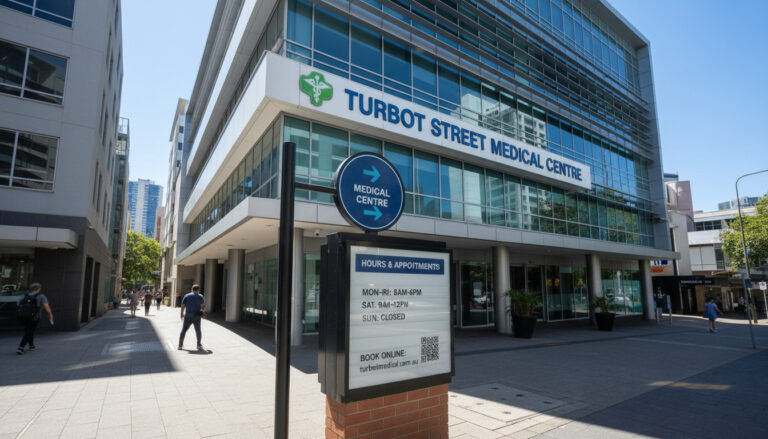 Turbot Street Medical Centre – Location, Hours, Booking Guide
 Dom Dolla Tickets 2026: Tour Dates, Prices & How to Buy
 Terence Crawford: Undefeated Record, Retirement, and Net Worth
 Car Hire Near Me: Compare Prices and Save in Ireland
 Best Collagen Supplement: Marine vs Bovine, Menopause & EDS
 Desk with Drawers – Best Home Office Picks 2025