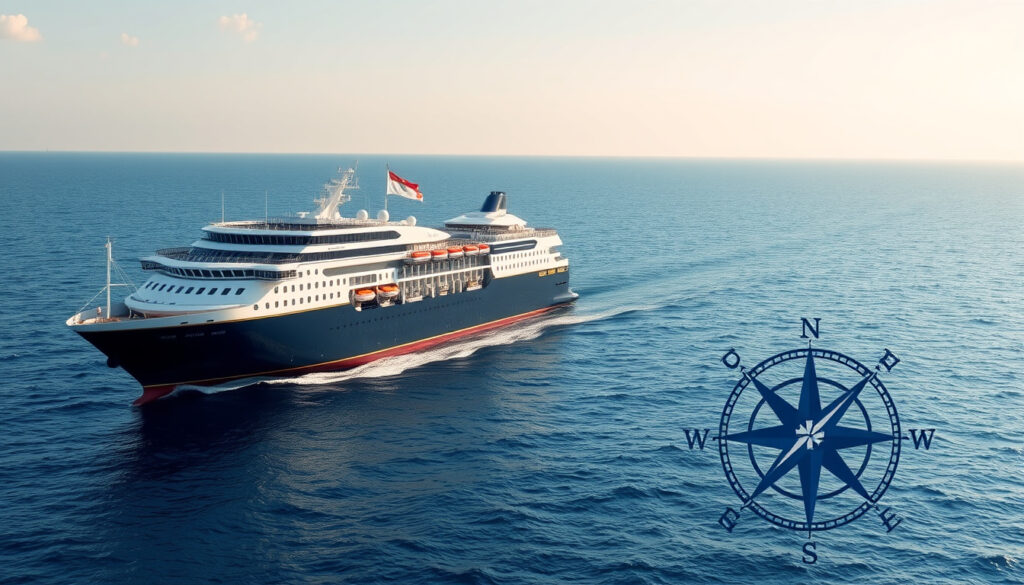
Cruise Ship Guide: Meanings, Tips, and Top Ships
There’s a reason why cruise ship buffets have become a running joke among seasoned travelers — but behind the humor lies some genuine safety concerns and unwritten rules that can make or break your trip. From the real meaning of crew slang you might overhear to the emergency codes they hope you’ll never hear, this guide walks through the realities that cruise brochures tend to leave out.
Average sanitation score: 95.76 (CLIA) · Emergency codes used fleet-wide: 7 major types (RapidReach) · CDC inspects ships with U.S. port calls: Yes (Squaremouth)
Quick snapshot
- The CDC Vessel Sanitation Program inspects ships with at least 13 passengers and a U.S. port of call (Squaremouth — CDC Data Summary)
- Average long-term sanitation score across CDC-inspected ships is 95.76 (Cruise Lines International Association — industry safety data)
- Emergency codes such as Alpha (medical), Bravo (fire), Oscar (man overboard) are standard across most lines (RapidReach — emergency communication guide)
- Which cruise line is the “crappiest” is subjective; rankings differ by review platform
- The exact six foods to avoid are not universally agreed upon — lists vary by source
- The phrase “wife on board” is well-known among crew but rarely documented outside forums
- Whether food safety protocols will tighten further depends on future CDC public reporting
- Royal Caribbean’s Icon of the Seas launched in 2024 as the largest cruise ship ever (250,800 GT) (Wikipedia — Icon of the Seas)
- Emergency code systems have evolved over decades, with line-specific variations like Disney’s “Red Parties” for fire (Wikipedia — vessel emergency codes)
- New mega-ships from Royal Caribbean, MSC, and Norwegian will further shift the ranking of “top 5” lists
8 areas of inspection, one pattern: the CDC VSP checks everything from galleys to swimming pools, and the scores tell a clear story about fleet-wide hygiene.
| Metric | Value | Source |
|---|---|---|
| Inspection agency | CDC Vessel Sanitation Program | Squaremouth |
| Areas inspected | 8 (galleys, medical, water, HVAC, pest, pools, housekeeping, childcare) | Squaremouth |
| Average score (long-term) | 95.76 | CLIA |
| Average score (past 24 months) | 95.95 | CLIA |
| Common emergency codes | Alpha, Bravo, Oscar, Delta, Echo, Papa, Sierra | RapidReach |
| Code variation example | Royal Caribbean uses “Charlie” for security threat | Wikipedia |
Passengers who stick to the omelet station can avoid the risks of pre-cooked scrambled eggs — a simple choice that matters more than you’d think.
What does “wife on board” mean on a cruise ship?
Origins of the phrase among crew
The phrase “wife on board” is crew slang for a married crew member whose spouse is living on the ship during a contract. It is not an emergency code or a signal to passengers. The term is used informally among staff to coordinate time off or cabin arrangements.
Common misconceptions by passengers
Some passengers mistakenly believe it refers to a romantic rendezvous or a special service. In reality, it’s a practical term that rarely appears outside crew communications. No official cruise line documentation uses the phrase; it lives in crew corridors and break rooms.
The implication: crew slang is a normal part of shipboard life, and passengers should not read anything into overheard phrases.
What are six foods to avoid on a cruise?
A former cruise ship chef, speaking anonymously about buffet practices, warned that certain items are riskier than others.
“Scrambled eggs are often made from powdered mix and kept warm for hours. Raw shellfish, deli meats, and buffet salads that sit out are common sources of illness.”
— Anonymous former cruise ship chef
Buffet items with high contamination risk
- Scrambled eggs — pre-cooked and held at unsafe temperatures, often from powder (Squaremouth notes CDC sanitation data suggests high-risk buffet items)
- Raw shellfish — oysters and clams on buffets can harbor norovirus
- Deli meats — open platters are prone to cross-contamination
- Buffet salads — dressings and cut vegetables can become breeding grounds if not chilled properly
Freshly cooked items like omelets and grilled fish are safer — the chef’s advice is to skip the steam table and head to the made-to-order station.
The pattern: choosing made-to-order dishes over steam-table offerings significantly reduces the risk of foodborne illness on a cruise.
Why should you not eat scrambled eggs on a cruise ship?
How scrambled eggs are prepared on cruise ships
According to the same chef, scrambled eggs on mass-market cruises are typically made from a powdered egg mix reconstituted with water. They are then held in warming trays for up to two hours. To prevent drying, some kitchens add liquid margarine or starches.
Alternatives for breakfast
Freshly cooked eggs — omelets, poached, or fried — are prepared to order and generally safer. Most cruise lines offer an omelet station in the buffet area where eggs are cracked fresh.
Even freshly cooked eggs can be contaminated if the cook doesn’t wash hands between tasks — but the risk is significantly lower than tray-held scrambled eggs.
The catch: fresh preparation reduces risk but does not eliminate it — vigilance in hygiene remains key.
What not to do on disembarkation day?
Common disembarkation mistakes
- Don’t pack essential items — passports, medications, and travel documents should remain in a carry-on, not checked luggage
- Don’t linger in cabins — stewards need to prepare rooms for the next sailing; ignoring announcements slows the process
- Don’t ignore customs declarations — failing to declare goods can result in fines or confiscation
Packing and timing tips
Set out your disembarkation outfit the night before, keep valuables in a small bag, and follow the color-coded luggage tag schedule. The goal is to be out of the cabin by the first call and off the ship within 30 minutes of your group being called.
The pattern: a few minutes of planning the night before can turn disembarkation from chaos to efficiency.
What are the top 5 cruise ships?
Criteria for ranking
Industry rankings typically consider gross tonnage, passenger capacity, onboard amenities, and guest satisfaction scores. Royal Caribbean’s Oasis-class ships consistently top lists for size and innovation.
Current top ships by industry publications
- Icon of the Seas (Royal Caribbean) — largest at 250,800 GT, launched 2024
- Wonder of the Seas (Royal Caribbean) — second largest, 236,857 GT
- Symphony of the Seas (Royal Caribbean) — 228,081 GT
- MSC World Europa (MSC Cruises) — 215,863 GT, noted for innovative design
- Norwegian Prima (Norwegian Cruise Line) — 142,500 GT, top-rated for luxury
The implication: Royal Caribbean dominates the size rankings, but MSC and Norwegian compete on design and service quality. Which ship is “best” depends on whether you value maximum entertainment or a quieter, more refined experience.
What is the crappiest cruise line in the world?
Lines frequently cited in consumer complaints
No single line holds the title; reviews vary widely. Carnival Cruise Line receives mixed feedback for its older ships and budget-focused service. MSC Cruises is often criticized for inconsistent cleanliness across its fleet. Some budget operators appear on “worst” lists due to high complaint volumes.
How to identify a poor cruise experience
- Low CDC sanitation scores (below 85) — check the VSP database online
- Frequent itinerary changes or cancellations
- Poor crew-to-passenger ratios leading to slow service
What this means: there is no objectively “crappiest” line — check recent sanitation scores and read reviews on multiple platforms before booking.
What does Charlie Charlie Charlie mean on a ship?
Emergency code systems on cruise ships
Charlie Charlie Charlie is a code used on some cruise lines for a security threat. According to Wikipedia’s vessel emergency codes, Royal Caribbean employs “Charlie, Charlie, Charlie” to signal a security-related incident. Other lines use different codes for similar threats (e.g., Carnival uses “Alpha Team” for fire).
Response procedures for Charlie alarms
Crew members are trained to respond immediately — security personnel lock down affected areas, passengers are directed to muster stations, and the bridge coordinates with local authorities if needed. The code is announced over the ship’s intercom in a calm voice to avoid panic.
“The beauty of these codes is that passengers hear a generic announcement but crew know exactly what to do. Charlie means get to your security post, not to the lifeboats.”
— Cruise industry safety expert (anonymous)
The catch: knowing the code meaning helps passengers stay calm and follow crew instructions without panic.
For the first-time cruiser, the choice is clear: invest a few minutes in understanding crew slang, buffet risks, and emergency codes. Skip the scrambled eggs, keep your passport in your day bag, and listen for any code that starts with three repeated words — it’s the ship’s way of saying something serious is happening without alarming everyone. A well-prepared passenger is a safer passenger.
For a deeper dive into cruise ship terminology and safety protocols, check out this guide on slang, safety, and top ships.
Frequently asked questions
What is the best time to book a cruise?
Booking during “wave season” (January–March) often yields the lowest fares, and last-minute deals can appear 60–90 days before departure.
How much does a typical cruise cost?
A 7-day Caribbean cruise averages $1,200–$2,000 per person for an interior cabin, excluding port fees and gratuities.
What should I pack for a cruise?
Bring layers for varying temperatures, a power strip (non-surge), sunscreen, and a refillable water bottle. Formal wear is optional on most lines.
Do I need travel insurance for a cruise?
Yes — medical evacuation and trip cancellation coverage are strongly recommended since cruise ship medical facilities are limited.
How do I choose a cabin on a cruise ship?
Mid-ship cabins on higher decks feel less motion, but lower decks near the waterline are quieter. Balcony cabins add cost but offer private outdoor space.
What are the best cruise lines for couples?
Celebrity, Princess, and Viking rank highest for adult-focused experiences with attentive service and refined dining.
Can I bring my own alcohol on a cruise?
Most lines allow one bottle of wine per adult at embarkation, but liquor and beer are prohibited. Check your line’s policy — violations may result in confiscation.
More related posts
 Kelly Brook: Biography, Career, Relationships, and More
 Christine McVie’s Death: Cause, Tribute, and Family Legacy
 Larry King: Cause of Death, Net Worth, and His Legacy
 Why Rampage Jackson Quit the UFC: Career, Stats & Net Worth
 Amelia Dimoldenberg: Age, Height, Net Worth, and Career
 Dogs for Sale in Ireland: Trusted Listings & Buyer’s Guide
 Britt Robertson Biography: Age, Movies, and Paul Floyd
 Mike White: Biography, Career, and Key Facts (2025)