High Cholesterol Symptoms – Signs, Warnings and When to Act
High cholesterol frequently develops without producing obvious warning signals, which makes recognizing the condition particularly challenging. Unlike conditions that announce themselves through clear discomfort or visible changes, this medical issue often progresses silently until it leads to more serious health complications. Understanding the symptoms, even when they appear indirectly through related conditions, can help individuals recognize when professional medical evaluation becomes necessary.
When symptoms do emerge with high cholesterol, they typically manifest through cardiovascular complications rather than direct sensations caused by cholesterol itself. The distinction between what high cholesterol feels like versus what complications it creates plays an important role in proper assessment. Medical professionals emphasize that routine blood testing remains the most reliable method for detecting elevated cholesterol levels before they contribute to lasting vascular damage.
This article examines the signs and symptoms associated with high cholesterol, explains why detection often occurs only after complications develop, and provides guidance on when to seek medical evaluation. The information presented draws from established medical sources and reflects current understanding of how this condition affects the body.
What Are the Symptoms of High Cholesterol?
High cholesterol produces few if any direct symptoms, which represents one of the most significant challenges in managing the condition. When symptoms do appear, they typically signal that cholesterol-related damage has already begun affecting blood vessels or organ function. Recognizing these indirect indicators requires understanding how elevated cholesterol interacts with the circulatory system over time.
Understanding these indicators requires recognizing that they stem from complications rather than from cholesterol itself. When arteries become narrowed by plaque buildup, blood flow decreases and tissues receive less oxygen and nutrients. This reduced circulation produces the sensations and limitations that patients experience as symptoms.
Key Insights About High Cholesterol Presentation
- Elevated cholesterol levels typically produce no noticeable warning signs before complications develop
- Blood testing remains the only reliable method for detecting high cholesterol in its early stages
- Physical symptoms appear when cholesterol-related plaque buildup restricts blood flow significantly
- Chest pain, leg pain, and fatigue often indicate that cardiovascular damage has already occurred
- Symptoms vary considerably between individuals based on where plaque accumulates in the body
- Women may experience symptoms differently than men, often including more subtle presentations
- Emergency symptoms such as sudden chest pain require immediate medical attention
| Fact | Detail | Source Type |
|---|---|---|
| High cholesterol often produces no symptoms | Detection typically requires a blood test called a lipid panel | Medical consensus |
| Normal LDL level below 100 mg/dL | Guidelines vary based on individual cardiovascular risk factors | AHA/ACC guidelines |
| Risk increases with LDL elevation | Cardiovascular risk approximately doubles for every 40 mg/dL rise in LDL cholesterol | Framingham Heart Study data |
| Prevalence in adults | Approximately 50% of adults have elevated cholesterol levels according to CDC statistics | CDC surveillance data |
| Progression timeline varies | Atherosclerosis develops over years, with symptoms emerging at different stages depending on individual factors | Clinical research |
| Complications develop silently | Plaque buildup can narrow arteries substantially before symptoms become noticeable | Medical literature |
Why Is High Cholesterol Often Called a ‘Silent’ Condition?
The term “silent” accurately describes high cholesterol because the condition rarely produces sensations that would prompt someone to seek medical evaluation. Cholesterol accumulates gradually within artery walls without causing pain or visible changes that might alert an individual to the problem. This silent progression explains why many people discover they have elevated cholesterol only during routine medical appointments or after experiencing a cardiovascular event.
Medical professionals from institutions including the Mayo Clinic confirm that high cholesterol typically has no symptoms, which distinguishes it from conditions that announce themselves through obvious warning signs. The lack of perceptible changes means that without regular health screenings, elevated cholesterol can progress undetected for years or even decades.
A simple blood test measures cholesterol levels and determines whether they fall within desirable ranges. If results show values outside recommended ranges, healthcare providers typically recommend more frequent follow-up testing. Adults over age 40 should discuss cholesterol screening with their physicians during routine checkups.
How Do Medical Professionals Detect High Cholesterol?
The lipid panel blood test provides the definitive method for identifying elevated cholesterol levels. This test measures several components including total cholesterol, LDL (low-density lipoprotein) cholesterol often called “bad” cholesterol, HDL (high-density lipoprotein) cholesterol known as “good” cholesterol, and triglycerides. Results outside desirable ranges prompt healthcare providers to recommend lifestyle modifications, monitoring schedules, or treatment approaches.
Early detection through blood testing proves crucial because plaque buildup from high cholesterol can narrow arteries without producing any initial symptoms. This condition, known as atherosclerosis, develops gradually and may reach advanced stages before someone experiences any physical limitations or discomfort. Regular screening becomes particularly important for individuals with risk factors such as family history, smoking, diabetes, obesity, or sedentary lifestyle.
Understanding the Connection Between Cholesterol and Plaque
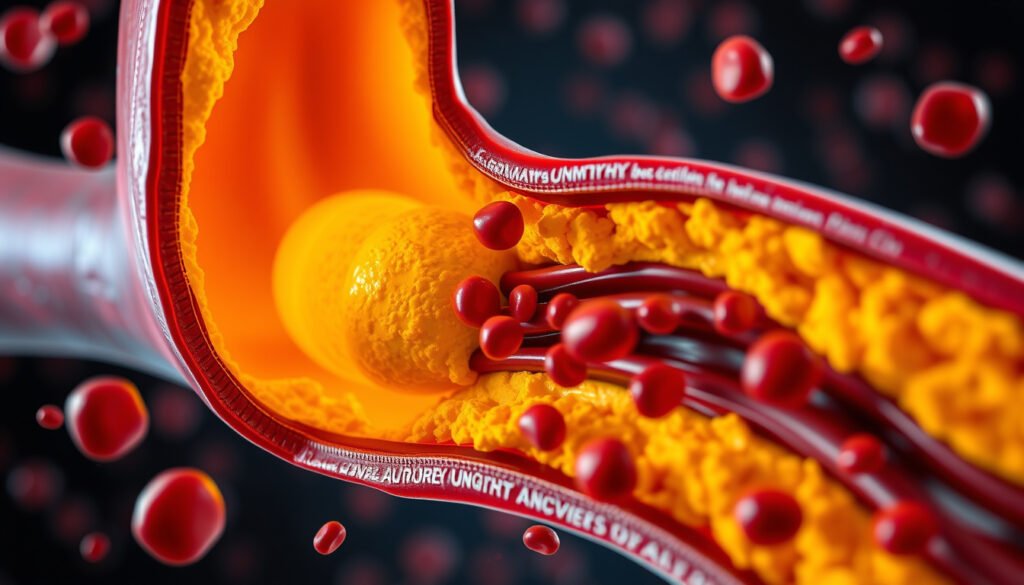
When cholesterol levels remain elevated over extended periods, cholesterol particles deposit within artery walls and contribute to plaque formation. This plaque gradually accumulates and hardens, causing arteries to lose flexibility and narrow progressively. The narrowed passages restrict blood flow to vital organs including the heart and brain.
The process of plaque accumulation typically produces no sensations that would indicate a problem is developing. Patients may not notice reduced blood flow to certain areas until narrowing becomes severe enough to cause tissue oxygen deprivation. At that point, symptoms emerge through the affected organ’s response to inadequate blood supply rather than through direct cholesterol-related sensations.
What Physical Signs Might Indicate High Cholesterol?
Physical signs associated with high cholesterol appear through conditions that develop as complications of elevated cholesterol levels rather than as direct effects of cholesterol itself. These symptoms provide important warnings that cardiovascular health requires attention. Recognizing these indicators can prompt timely medical evaluation that may prevent more serious events such as heart attack or stroke.
Cardiovascular Symptoms
Chest pain represents one of the most recognized symptoms associated with cholesterol-related cardiovascular disease. When coronary arteries narrow due to plaque buildup, the heart muscle may not receive adequate blood supply during physical activity or periods of stress. This condition, called angina, produces sensations ranging from pressure and tightness to squeezing or heaviness in the chest.
The discomfort typically occurs on the left side or middle of the chest and may spread to the neck, jaw, arms, shoulders, or back. Activity and emotional stress often trigger these sensations, which usually subside with rest. According to the Mayo Clinic, men more commonly experience classic chest pain presentations while women may have brief or sharp discomfort that differs from the typical pattern.
Circulation-Related Symptoms
Leg pain during walking, known as claudication, frequently indicates peripheral artery disease related to cholesterol accumulation. The American Heart Association describes this condition as painful cramping in the hips, thighs, or calves that occurs with walking and typically eases with rest. As peripheral artery disease progresses, walking distance may become increasingly limited.
Additional signs of circulation problems in the legs include calf muscle atrophy, skin changes when legs are elevated such as turning white (elevation pallor), and sensations of coldness or numbness. Men with diabetes who experience erectile dysfunction alongside leg symptoms should discuss these indicators with their healthcare providers as they may signal widespread vascular involvement.
Fatigue and shortness of breath frequently accompany cholesterol-related cardiovascular complications. These symptoms develop because the heart may struggle to pump sufficient blood to meet the body’s demands. Persistent tiredness that affects daily activities warrants discussion with a healthcare professional, particularly when accompanied by any chest discomfort or reduced exercise tolerance.
Emergency Warning Signs
Certain symptoms require immediate medical attention as they may indicate a heart attack or other acute cardiovascular event. The National Heart, Lung, and Blood Institute advises seeking emergency care for crushing chest pain, pain spreading to shoulders, arms, back, neck, or jaw, cold sweats, nausea, lightheadedness, or sudden severe shortness of breath.
Women, elderly individuals, and those with diabetes may experience heart attack symptoms that differ from classic presentations. These atypical signs can include nausea, vomiting, brief neck or back pain, or fatigue without accompanying chest pain. The Mayo Clinic notes that these groups may fail to recognize heart attack indicators, leading to delayed treatment.
How Do Symptoms Differ for Men and Women?
Research published in medical literature documents notable differences in how high cholesterol complications present between men and women. These variations extend beyond simple differences in symptom severity to include fundamentally different patterns of symptom development and recognition. Understanding these differences proves essential for both patients and healthcare providers in identifying cholesterol-related complications appropriately.
Symptom Patterns in Men
Men tend to experience more classic presentations of cholesterol-related cardiovascular disease. The Mayo Clinic notes that men are more likely to report the characteristic chest pain and pressure associated with angina. This typical pattern often includes clear triggers such as physical exertion, emotional stress, or cold weather that provoke predictable symptom onset.
The chest discomfort men experience frequently radiates to the left arm, jaw, or shoulder in recognizable patterns. This consistency often makes symptoms easier to identify and describe during medical evaluations. Men may also notice more dramatic limitations in physical capacity as cardiovascular function becomes compromised.
Symptom Patterns in Women
Women frequently present with atypical symptoms that can delay recognition of cholesterol-related complications. Rather than the classic crushing chest pain, women may experience nausea, vomiting, shortness of breath, fatigue, or discomfort in the upper abdomen and back. These subtle presentations can be mistaken for other conditions or attributed to non-cardiac causes.
The Mayo Clinic indicates that women may have brief neck or arm pain rather than the sustained chest pressure typical in men. Some women experience heart attack symptoms without any chest pain at all, reporting only profound fatigue, weakness, or confusion in the hours or days preceding a cardiovascular event.
Women may not recognize heart attack warning signs when they occur, leading to delayed treatment seeking. Healthcare providers should consider cardiovascular risk factors in women presenting with unexplained fatigue, shortness of breath, or upper abdominal discomfort, particularly when symptoms have no other obvious explanation.
How Does High Cholesterol Progress Over Time?
Understanding the timeline of cholesterol-related complications provides context for why symptoms emerge when they do. The progression from elevated cholesterol to noticeable symptoms typically spans years or decades, with individual variation based on genetic factors, lifestyle choices, and other health conditions. This gradual development explains why early detection through testing proves so valuable.
- Early stage (years to decades): Elevated cholesterol circulates in the bloodstream with no detectable physical symptoms. Plaque begins accumulating within artery walls. Blood pressure may remain normal. Only laboratory testing reveals abnormal lipid levels.
- Moderate progression (5-10 years): Plaque accumulation continues within arterial walls. Arteries begin losing flexibility and narrowing gradually. Some individuals may notice mild fatigue or reduced exercise tolerance. Blood pressure may start rising as vessel compliance decreases.
- Advanced disease (months to years): Significant arterial narrowing develops. Symptoms such as angina with exertion or leg cramping during walking may appear. Reduced blood flow to organs produces detectable effects. Quality of daily life may begin declining.
- Complications (acute events): Plaque rupture or complete vessel blockage produces emergency events. Heart attack, stroke, or critical limb ischemia may occur. Symptoms become severe and unmanageable. Emergency medical intervention becomes necessary.
The National Health Service emphasizes that complications develop slowly and may remain unnoticed until a sudden emergency occurs. Early warning signs like angina or claudication should prompt medical evaluation as they indicate significant cardiovascular involvement has already occurred.
What Is Known Versus Uncertain About High Cholesterol Symptoms?
Medical science has established clear understanding of certain aspects of high cholesterol while other questions remain incompletely answered. Distinguishing between established facts and areas of ongoing research helps individuals understand the basis for current medical recommendations and recognize limitations in diagnostic approaches.
| Aspect | Evidence Status | Notes |
|---|---|---|
| High cholesterol typically produces no direct symptoms | Well-established medical consensus | Confirmed across multiple large population studies |
| Blood testing is required for detection | Definitive | Lipid panels provide objective measurement |
| Complications cause indirect symptoms | Well-documented | Angina, claudication, and fatigue linked to atherosclerosis |
| Individual symptom variation | Partially understood | Genetic and environmental factors influence presentation |
| Headache causation | Insufficient evidence | Not directly established; general tiredness reported |
| Self-diagnosis reliability | Not reliable | Cannot accurately assess cholesterol levels without testing |
Headaches have not been directly established as symptoms of high cholesterol according to major medical sources. However, the NHS notes that reduced blood flow from widespread atherosclerosis may contribute to generalized feelings of tiredness, weakness, or confusion. Any persistent headaches should be discussed with a healthcare provider, as multiple conditions can cause this symptom.
No individual symptom or combination of symptoms can reliably indicate high cholesterol without blood testing. The absence of symptoms does not confirm normal cholesterol levels, and the presence of symptoms does not definitively establish that cholesterol is elevated. Professional medical evaluation with laboratory testing remains essential for accurate assessment.
Why Does High Cholesterol Matter for Overall Health?
High cholesterol represents one of the most significant modifiable risk factors for cardiovascular disease worldwide. The Centers for Disease Control and Prevention provides data showing that elevated cholesterol affects approximately half of all adults in the United States. This widespread prevalence makes understanding the condition’s effects essential for public health broadly and individual wellness specifically.
When cholesterol levels remain elevated, the cholesterol particles circulating in blood can deposit within artery walls throughout the body. This process affects coronary arteries supplying the heart, carotid arteries feeding the brain, and peripheral arteries carrying blood to limbs. The resulting plaque weakens vessel walls and narrows passages through which blood flows.
The complications stemming from high cholesterol represent the leading causes of death in many countries, including heart attack, stroke, and peripheral vascular disease. Managing cholesterol levels through lifestyle modifications, monitoring, and when necessary, medication, can substantially reduce the risk of these devastating events. Regular health screenings enable early detection when intervention proves most effective.
Expert Perspectives on High Cholesterol Symptoms
High cholesterol usually has no symptoms. That’s why it’s important to find out what your cholesterol numbers are. High cholesterol may be found during a routine blood test.
— Mayo Clinic
Medical institutions including the American Heart Association, National Institutes of Health, and major medical centers worldwide consistently emphasize the asymptomatic nature of elevated cholesterol. This consensus forms the foundation of public health recommendations encouraging regular cholesterol screening for adults.
The Cleveland Clinic advises that when symptoms do occur, they typically indicate that significant cardiovascular damage has already taken place. This reality underscores the importance of proactive screening rather than symptom-based detection. Individuals with risk factors such as family history, existing health conditions, or lifestyle factors should discuss appropriate testing schedules with their healthcare providers.
Summary and Next Steps
High cholesterol typically produces no symptoms until it contributes to serious cardiovascular complications. The condition remains silent for years or decades while plaque accumulates within arteries. Blood testing provides the only reliable method for detecting elevated cholesterol levels before damage progresses too far.
When symptoms do emerge, they appear through conditions caused by cholesterol-related vascular damage including angina, peripheral artery disease, and reduced exercise tolerance. These complications often develop gradually and may go unnoticed until a cardiovascular emergency occurs. Understanding the difference between direct cholesterol symptoms and indirect complications through related conditions helps individuals recognize when medical evaluation becomes necessary.
For those seeking to understand their own cholesterol status, scheduling a lipid panel blood test represents the most important first step. Learn how to lower cholesterol through lifestyle modifications if levels prove elevated, and discuss appropriate monitoring intervals with a healthcare provider based on individual risk factors.
Frequently Asked Questions
What does high cholesterol feel like?
High cholesterol itself typically produces no sensations. When symptoms occur, they result from cardiovascular complications such as reduced blood flow to the heart or limbs, manifesting as chest pressure, leg pain during walking, fatigue, or shortness of breath with exertion.
Does high cholesterol cause headaches?
Headaches have not been directly established as symptoms of high cholesterol according to major medical sources. While reduced blood flow from advanced atherosclerosis may contribute to feelings of tiredness or weakness, any persistent headaches require separate medical evaluation to determine the cause.
What are the first signs of high cholesterol?
There are typically no early warning signs of high cholesterol itself. The first indications usually emerge only after cholesterol-related complications have developed, such as chest pain during physical activity suggesting coronary artery disease or leg cramping when walking suggesting peripheral artery disease.
How do you know if your cholesterol is high?
Only a blood test called a lipid panel can determine whether cholesterol levels are elevated. This test measures total cholesterol, LDL cholesterol, HDL cholesterol, and triglycerides. Adults over age 40 should discuss cholesterol screening with their healthcare providers during routine checkups.
Can high cholesterol cause fatigue?
Fatigue can result from cardiovascular complications of high cholesterol when the heart struggles to pump adequate blood to meet the body’s demands. Persistent tiredness that affects daily activities should be discussed with a healthcare provider, particularly when accompanied by other potential symptoms of cardiovascular disease.
What are the symptoms of high cholesterol in legs?
Leg symptoms related to high cholesterol typically appear as peripheral artery disease, including painful cramping in the hips, thighs, or calves during walking that eases with rest. Additional signs may include coldness, numbness, weakness, or skin changes in the legs and feet.
When should someone seek emergency care?
Emergency medical attention is necessary for sudden severe chest pain or pressure, pain spreading to shoulders, arms, back, neck, or jaw, cold sweats, nausea, lightheadedness, or sudden extreme shortness of breath. These symptoms could indicate a heart attack and require immediate evaluation.
More related posts
 Sara Ali Khan: Age, Family, Relationships, and Career
 Aldi Toilet Paper – 2025 Brands Prices Quality Guide
 Kpop Demon Hunters Saja Boys – Profile, Members, Music Facts
 Mahatma Gandhi: Icon, Leader, and the Man Behind the Myth
 InterContinental Hayman Island: Worth It or Overrated
 Best Yarra Valley Wineries: Top Cellar Doors & Tours
 Spy x Family Season 3 Release Date, Episodes & Key Details
 Rute Cardoso: Widow of Diogo Jota, Children, Fortune & Life Today